Make Your Home More Intentional: Why Everything Should Have a Place and a Purpose
There’s a quiet kind of chaos that creeps into our homes over time—mail piled on the kitchen counter, shoes kicked off in random corners, chargers tangled and scattered, and that one chair that always ends up with a pile of stuff on it. It happens to all of us, even the most organized among us. Life gets busy, and small things like picking up clutter get pushed aside until there is more clutter than surface space. Have you ever found yourself saying, “Just a minute, let me find a place to put this”? Yeah, me too. But what if instead of letting stuff accumulate in the nearest empty spot, we gave everything in our home a designated place? Not just for the sake of neatness, but to create a more intentional, peaceful space where we can relax?
Let’s talk about the power of purposefully placed belongings—and how it can change your home, your mindset, and even your daily routine.
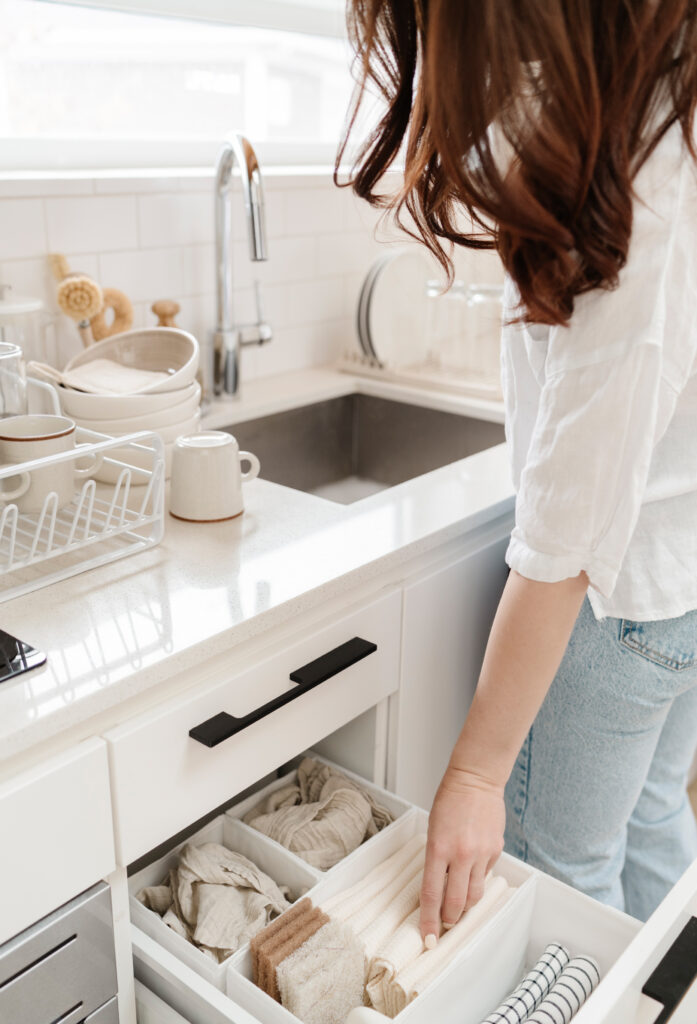
The Clutter Isn’t Just Physical—It’s Mental
We don’t always think of clutter as a stressor, but it’s one of those things that chips away at your peace of mind. When you walk into a room and see clutter, your brain registers unfinished tasks. You have created an environment where something always needs to be done. That jacket draped over a chair? It needs to be hung up. The stack of mail you’re going to get to later? Something in there probably needs attention. Over time, these tiny to-do’s add up, creating mental friction you may not even realize is affecting you.
Intentional organization helps relieve that tension. When your environment is tidy and functional, your mind is clearer and more focused. When you know where everything is, and you’re not constantly wasting time looking for keys, scissors, or that one charger that seems to vanish every other day.
What It Means to Be Intentional at Home
Being intentional isn’t about less. It’s not about creating a minimalist space where nothing is ever out of place; rather, it’s about designing your home so that it supports your lifestyle and makes you feel good. Ask yourself:
- Do I use this?
- Do I need this?
- Where does it make the most sense for this to live?
- Does this item serve a purpose and if not do I like it enough to keep it?
When you approach your space this way, you naturally begin to assign meaning and purpose to what stays—and you start letting go of what doesn’t fit anymore.
Step 1: Start With One Area at a Time
Trying to reorganize your whole home in a weekend is counterproductive. By the end of the weekend, you will be so sick of organizing you will just put things anywhere, and be right back where you started. Instead, choose one area and focus on improving it. The Time Blocking method of scheduling works great for this.
Let’s say you start with your entryway. Ask yourself:
- Do we have a place to drop keys, sunglasses, and bags when we come in?
- Are there hooks or a small shelf for frequently used items?
- Is there a spot for shoes, or do they get kicked off and pile up?
Design a solution that makes sense for your daily routine. A bowl for keys, a shoe rack, and a small wall-mounted organizer might be all you need. The point is to think about how the space is used—and create a system that supports that use.
Step 2: Create “Homes” for Your Things
Everything in your house should have a “home”—a dedicated space where it belongs, where it makes sense.
If you always pay bills at the kitchen table, keep your mail and pens nearby in a drawer or a small desktop organizer. If your kids do homework in the living room, create a bin or shelf where school supplies can live. No more scattering pencils across three rooms.
Here are a few examples of practical “homes” for everyday things:
- Remote controls: A small tray on the coffee or end table.
- Blankets: A basket by the couch or an ottoman with storage.
- Reusable water bottles: One kitchen cabinet just for drinkware.
- Chargers: A labeled drawer or a charging station with cord organizers.
- Hair accessories: A divided box in the bathroom drawer.
The beauty of assigning homes to items is that it makes cleaning up easier and faster. You’re not just tidying—you’re resetting the space to its natural order.
Step 3: Make Purpose Your Guide
As you go through your home, use purpose as your guiding principle. Every item should either serve a function or bring joy. If it doesn’t, it’s just taking up space—physically and mentally.
Ask yourself:
- Why am I keeping this?
- Do I use it regularly?
- Do I have duplicates that I don’t need?
- Would someone else benefit from this more than I am?
Intentional living doesn’t mean you have to be hyper-minimalist or throw out everything you love. It simply means choosing what stays on purpose, not just because you’ve had it forever.
Step 4: Build Habits Around Your New Systems
It’s one thing to organize a space. It’s another to maintain it. The key to keeping your home intentional is to build small habits that reinforce the systems you’ve put in place.
Here are a few that make a big difference:
- Do a five-minute tidy-up at the end of each day.
- Always put items back in their “home” after use.
- Don’t leave a room empty-handed—bring something with you to put away.
- Open and sort mail the day it arrives.
- Teach your family or housemates where things belong and get everyone involved.
These micro-habits may seem small, but they create a rhythm of order in your home. And once you get used to having a place for everything, you’ll find it oddly satisfying to maintain.
The Ripple Effect of an Intentional Home
When your home is organized with intention, it impacts more than just your physical space. You’ll start to notice that:
- You waste less time looking for things.
- Your mornings feel less rushed.
- You’re less overwhelmed by mess and more in control of your environment.
- Your space feels more like a sanctuary, not a source of stress.
You may even find that you start applying the same mindset to other areas of your life—like how you spend your time, who you give your energy to, and what you say yes to.
Final Thoughts: Purpose Over Perfection
Remember, this isn’t about creating a picture-perfect home. It’s about creating a space that works for you. A home that feels calm, where you can relax and just be, where you walk in and immediately feel supported—not scattered.
So next time you’re tempted to toss something in the nearest open spot, pause. Ask yourself: Where does this belong? And more importantly, why does it belong in my home at all?
You don’t need more space—you need more purpose. And once you start giving everything in your home a place with intention, you’ll be surprised how much lighter, simpler, and more joyful life feels.
(Some links in this post are affiliate links. If you choose to buy through them, I may earn a small commission at no extra cost to you. I appreciate your support!)
Organizers I use and love:
3 Tier Stackable Water Bottle Organizer
Foldable Fabric Blanket and Clothes Storage Bags