What I learned from my Vision Board last year and what I will do differently this year
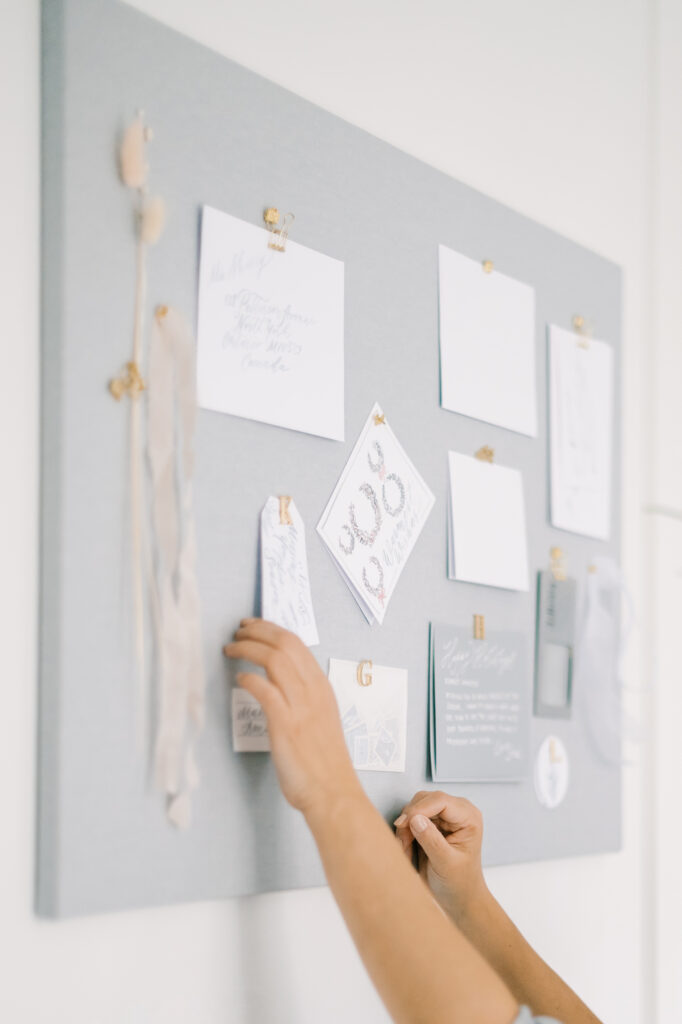
Last year I was super excited to create my Vision Board. I had actual goals. I knew what I needed to do to reach those goals. I outlined specific achievements with strict timelines and thought “this will keep me on track”. Wow, was I wrong. What was missing was that there was no room for real life. The board looked good, great even, like a day planner to get where I wanted to be. But I had not considered what would happen if anything got in the way and I got behind in achieving my milestones. Let’s just say that what seemed like everything got in the way. Once the time to complete something passed I had no plan or room to keep trying. If I wanted to achieve the next goal I had to let go of the unfinished things. The board became a constant reminder of what I thought of as my failures.
This year I will start out focusing on the big picture and as I go add in more narrowly focused goals that are necessary and achievable. I am creating a Vision Board that asks questions rather than giving answers. Instead of building it around specific goals: lose the weight, buy the house, hit the number, reach the milestone I will create a visual space that gently asks questions and provokes thought. This should alleviate the pressure and allow for realistic, in-the-moment reflection.
(Some links in this post are affiliate links. If you choose to buy through them, I may earn a small commission at no extra cost to you. I appreciate your support!)
What I Used to Create a More Reflective Vision Board
- The Board that looks like wall art
- Extra push pins
- Clip Art Book with reflection prompts
- A small journal to catch the thoughts that come up when I look at my board
- Cute sticky notes to add things I’ve written
How to Create a Vision Board That Asks You Questions (Instead of Giving You Answers)
Most vision boards are built around specific goals, and while there’s nothing wrong with that, it can sometimes feel… heavy. Pressure-filled. Like one more list of expectations you’re supposed to meet.
What if your vision board didn’t tell you what to do but instead helped you check in with who you’re becoming?
A reflective vision board isn’t about locking yourself into outcomes. It’s about creating a visual space that gently asks questions, provokes thought, and helps you notice whether your life is aligning with what actually matters to you right now.
This kind of vision board evolves as you do. It doesn’t demand answers. It invites awareness.
Start With Direction, Not Destination
Instead of asking “What do I want to accomplish?”
Try asking:
- How do I want my life to feel?
- What do I want more of in my days?
- What feels missing or misaligned right now?
Words like calm, steady, curious, grounded, spacious, energized, and connected can be more powerful than a list of goals. These are directions, not endpoints. They give you room to grow without boxing you in.
When choosing images, look for visuals that make you pause. If something pulls at you emotionally, even if you can’t explain why—that’s often where the insight lives.
Choose Images That Make You Think (Not Just Dream)
A reflective vision board works best when it includes images that spark internal questions rather than surface-level desire.
For example:
- A quiet morning scene might ask: Do my days have space to breathe?
- A photo of someone walking alone could prompt the question: Am I giving myself time to think, or am I always reacting?
- A cozy, lived-in home image might ask: Does my space support who I am now—or who I used to be?
If an image makes you uncomfortable, curious, or reflective, don’t dismiss it. That tension is often a clue.
Add Prompts Instead of Goals
Rather than writing affirmations like “I will be successful” or “I will be happy,” try adding questions or open-ended phrases to your board.
Some ideas:
- What am I saying yes to lately?
- What would a slower version of my life look like?
- Where am I forcing things?
- What feels easy right now—and why?
- What am I ready to release?
These prompts shift your vision board from a performance tool into a conversation with yourself.
Leave Room for Change
One of the most powerful aspects of a reflective vision board is the ability to change without guilt.
You can:
- Swap images seasonally
- Add sticky notes with new questions
- Remove anything that no longer resonates
- Let blank space exist (blank space is information, too)
If something stops speaking to you, that doesn’t mean you failed. It means you listened.
Use Your Vision Board as a Check-In Tool
Instead of only looking at your board at the beginning of the year, try revisiting it regularly and asking:
- Does this still feel true?
- What feels closer than it did before?
- What feels farther away—and am I okay with that?
- What does this board tell me about my current season?
You may notice that even without setting concrete goals, your choices begin to shift. Not because you forced them to—but because awareness naturally changes behavior.
Let It Be Gentle, Not Demanding
This kind of vision board evolves as you do. It doesn’t demand answers. It invites awareness. It doesn’t have to be loud, ambitious, or packed with declarations. It can be quiet and thoughtful with room to grow.
When your vision board becomes a mirror instead of a mandate, it stops asking you to chase a future version of yourself and starts helping you understand the one you’re already becoming.
And sometimes, that clarity is far more powerful than any goal could ever be.